Land Clearing and Brush Removal in Fort Wayne, IN
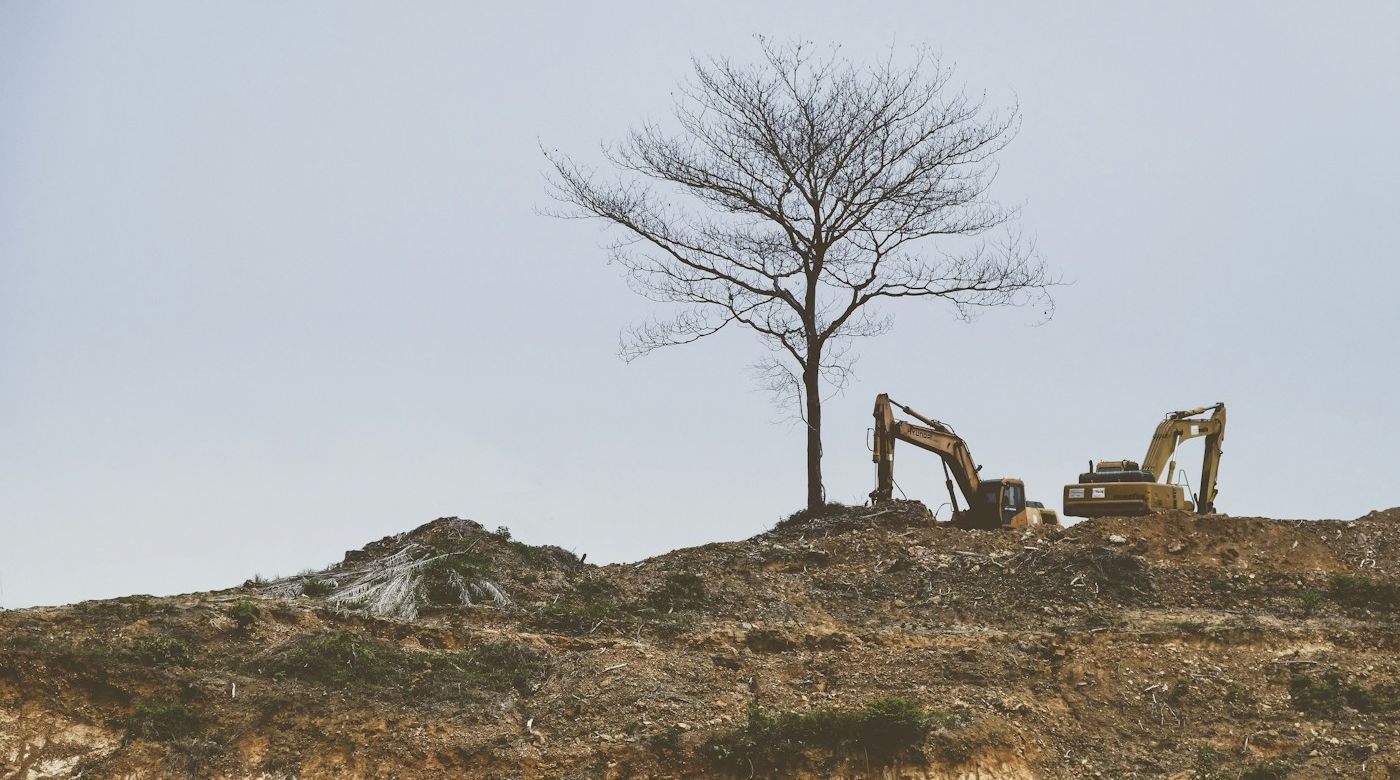
Fort Wayne Tree Co. does land clearing and brush removal around Fort Wayne, IN, from a honeysuckle thicket behind the garage to wooded acres headed for a new house. Thick growth on an acre can run $4,500 to $8,000, and light brush far less. We also clear for owners in Huntertown and Leo-Cedarville, and out to Grabill, Woodburn, Columbia City and Decatur.
Request a quote
Which tree is it, and what made you pick up the phone? Someone rings back with a first range.
We ask what the land is for next because if we need to remove the roots, for example, if you are planning to use the land for house pad, then it costs extra to remove them, while brush only work would cost far less. And any trail or pasture would take another machine and extra work associated with it.
- Keeper trees flagged and walked with you first
- Field tile and drains asked about before machines move
- Rough grading and stumps each priced on a line of their own
- Tracks kept off soft clay until the ground can carry them
- Burn piles only with the state's approval in hand
Rough out a small patch
Typical prices per sq ft for Fort Wayne jobs, from the source below. Your quote follows a look at the job.
$530 to $715
Call (260) 319-3650 for your priceAt a glance
| 500 sq ft patch, Fort Wayne | $531 to $717, trees extra |
|---|---|
| One acre | $1,200 to $8,000 |
| Dense growth with large trees | $4,500 to $8,000 an acre |
| Brush only | $800 to $3,000 an acre |
| Small lot, light growth | 1 to 3 days |
| State stormwater permit | From 1 acre disturbed |
Land Clearing Jobs, From Thickets to House Lots
Wooded Lot for a New House
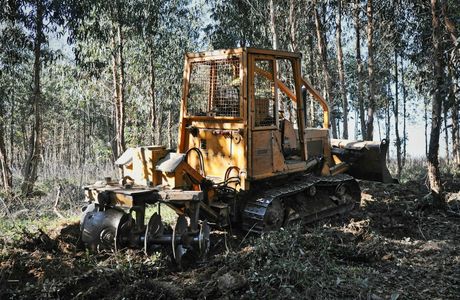
On a wooded lot for a new house, first you need to remove all the stumps under the footing, and you need to make an outline of the house first. But what you might regret is clearing out too much, too soon, because once you clear it, it cannot be undone.
Brush and Honeysuckle Thickets
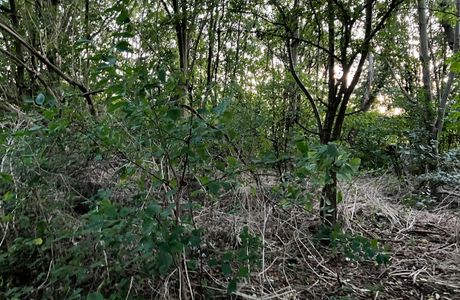
Brush and honeysuckle thickets create a shade that stops desirable vegetation from growing underneath. They usually sprout back from a cut stump. So we cut them low or mulch them. Plus, we usually plan on follow-up mowing, since they regrow after some time.
Selective Clearing Around Keepers
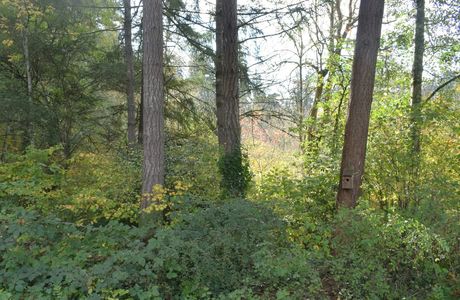
Flag the oaks worth keeping and we clear underneath them. Machines and piled soil stay outside the drip line, since packed clay starves the roots and a tree can take years to show it.
Forestry Mulching for Trails and Edges
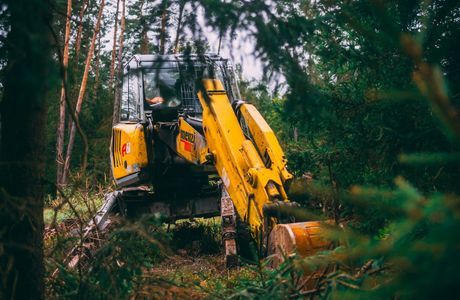
The mulching head chews brush and saplings down in place, and its mat of chips holds soil and slows weeds. Skip it on a house site, where that mat must be stripped anyway.
Old Fence Rows on Farm Ground
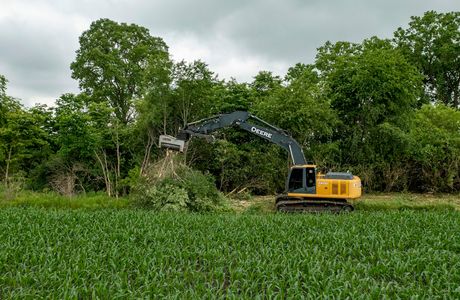
Farm ground around Fort Wayne often has a fence row gone to trees. An excavator can pull the row from one side without crossing the crop. Say so if old wire runs through it, because wire grown into a trunk ruins saw chains and slows the day.
Smaller Clearing Calls
Overgrown Back Yard
A corner gone to saplings and vines usually needs saws and a chipper, with no heavy machine through the gate. Measure that gate anyway.
Vacant Lot With a City Notice
An empty lot's trees stay the owner's job. If a notice has arrived, tell us the date on it, since the time it allows runs short.
How Land Clearing Runs on a Fort Wayne Lot
First things first, we call 811 to understand where the buried utility lines lie, so that we can skip them while doing the clearing and not hit them by mistake. Then the corners and keepers are flagged. The clearing takes approximately 1-3 days for a small lot.
- Corners and flags. We find the property corners, flag the keepers and stake any footprint.
- Lines. 811 won’t mark private lines or farm tile, so ask the last owner where those run.
- The cut. Trees fall into the opening, clear of the keepers. Logs get stacked where a truck can load them.
- Stumps. They get pulled on a building pad, ground low under a future lawn, and cut flush at a pasture edge.
- Wood and brush. Logs go to your stack or off site. Brush gets chipped or loaded out.
- The finish. We leave a rough-graded surface. Straw or seed on bare slopes keeps the first hard rain from carrying your dirt into the ditch.
Clear It All or Just the Brush
A lot often needs less clearing than first planned, and a bid should show you the difference.
Bare Ground for a Building Pad
Footings and slabs want roots and topsoil gone, and forestry chips can’t stay. Plan on the highest cost per acre, plus the stump and grading lines, and clear only what the builder has staked. Twenty feet cleared too far can’t be put back.
Brush Gone, Trees Staying
For a view, a pasture or a place to walk, the underbrush and the junk saplings come out and the good trees stay. Roots keep holding the soil, and you skip the grading bill. Honeysuckle that keeps coming back after mowing needs a follow-up treatment, done by someone holding a state license. Heavy woods across several acres can take weeks.
We would say taking care of only the brush, which is cheaper and keeps the good trees, is better, because you can always remove a tree later, maybe for some extra price, but you would have to pay for it anyway if you need it. In some cases, plants might fit your land quite well, so there is no rush in this decision.
What to Check on Allen County Ground First
Two questions cost nothing to ask, and either one can hold up a job after the machines are booked.
Regulated Drains and Field Tile
Regulated drains and field tile are systems that run across privately owned land, but they carry their own right of entry on each side, approximately 75 feet each. And they are regulated by the county, but the county does not own the strip itself. It’s important because sometimes track machines might crush unmapped tile, and that can cause a lot of trouble.
The 75 feet is measured from the center of the tile or the top of the ditch bank. The Allen County Surveyor’s office or drainage board can tell you whether a given tile is regulated, so call before the machines arrive.
One Acre Changes the Paperwork
Disturbing 1 acre or more falls under Indiana’s Construction Stormwater General Permit, and a smaller lot inside a larger plan can too. Find out who holds that permit before work starts, since clearing is where the soil first moves.
What Land Clearing Costs Around Fort Wayne
An acre generally costs between $1,200 and $8,000, and thick growth with big trees costs the most. The Fort Wayne figure covers a small job where a 3-hour minimum sets the price, so don’t multiply it up to an acre.
| Job | Low | High |
|---|---|---|
| 500 sq ft patch, Fort Wayne | $531 | $717 |
| Quarter acre | $800 | $3,000 |
| One acre | $1,200 | $8,000 |
| Acre of shrubs and small trees | $1,200 | $2,500 |
| Acre of thicker brush, medium trees | $2,500 | $4,500 |
| Forestry mulching, per acre | $500 | $1,000+ |
What affects the price
Every job is quoted after we see it. These are the things that move the number up or down.
| Factor | How it moves the price |
|---|---|
| Density | Thick underbrush with large trees costs several times what scattered shrubs do. |
| Stumps | Pulling or grinding them is often a separate line. |
| Wood and brush | Hauling everything away costs more than chipping on site. |
| Ground and access | Soft clay or a narrow gate slows the machines. |
Land Clearing and Brush Removal FAQs
Can I burn the brush from clearing my lot?
No, you can't burn the brush without asking, for sure, and Indiana bans most open burning. You can only burn the tree waste after IDEM approves it.
What is the best time of year for land clearing here?
The best time of year for land clearing is late fall through winter, because the leaves are off and the ground is clear. Frozen clay carries machines more easily, while April mud swallows them.
Does land clearing include stump removal?
Stump removal honestly depends, so it must be written out, because you need to use grubbing to pull the stumps and roots, and each would cost between $100 and $400, unless it's set otherwise.
Is grading included in land clearing?
Grading is included, but usually only a rough pass. Leveling itself would run between $2,000 and $5,000, and an excavating contractor often does that part.
Do I need a survey before clearing a lot?
If the corners aren't marked, get one, usually $500 to $1,500. That beats felling a neighbor's oak by mistake.
Can I clear my own lot with a rented skid steer?
Yes, you can, but we would recommend limiting it to brush and saplings on open, dry ground. With forearm-thick trunks or anything leaning, we would strongly advise against it.
Get a quote on your land clearing and brush removal
Tell us the street, about how tall the tree is and what grows or parks beneath it. You get a call with a range, broken into the tree, the stump and the haul.
Request a quote
Call (260) 319-3650 to talk now, or describe the tree below and we will call you.